Author: Shift Team

  • Sterling PlanB, Technology Ventures Middle East Marine Services Announce MENA Sales and Service Partnership

    As pressure to achieve IMO regulations increases, this new partnership provides sustainability solutions for the Middle East, India and Sri Lanka marine sectors.

    Vancouver, Canada – February 2, 2021 – Industrial energy storage experts, Sterling PlanB, and technical sales and service company Technology Ventures Middle East Marine Services have announced a new partnership agreement. Aimed at expanding access to purpose-designed energy storage solutions to the Middle East, India and Sri Lanka based marine customers, the partners will increase access to hybrid and fully electric propulsion and power solutions throughout the region.

    The partnership comes at a time when increasing pressure from the IMO to achieve regulatory targets means that many marine companies must rapidly adjust their operations to reduce emissions. The growing marine industry in the Middle East, India and Sri Lanka mean that many vessel operators in the region are looking to zero emissions and low carbon solutions.

    Under the new partnership, Technology Ventures Middle East Marine Services will provide their customers with Sterling PlanB energy storage solutions for marine vessels, supporting not only fuel and cost-saving operations, but also more sustainable long-term solutions to meet emissions reduction targets.

    “We have worked with Technology Ventures on many projects and always experienced an excellent level of service and support.  This Agreement is a natural extension of our existing relationship and we are thrilled to be expanding our commercial partnership with Arun and his team at Technology Ventures.  There is no better partner in the UAE to distribute, integrate and service Sterling PlanB energy storage solutions,” said Paul Hughes, President of Sterling PlanB. “The regions that Technology Ventures operates in are of great importance to us as the pace of decarbonizing the fleets in the region gathers pace.  We look forward to rapidly expanding our business in the Middle East with the support of Technology Ventures”.

    Sterling PlanB’s energy storage systems are engineered to the highest standards of performance and safety, are designed specifically to integrate with any electrical infrastructure, delivering significant operational and efficiency benefits for vessels running on electric or hybrid power. The system is the only lithium energy storage system third-party verified to fully prevent thermal runaway.

    Arun Sudarsan, Division Manager Technical and Services at Technology Ventures Middle East Marine Services said, “this partnership provides a unique avenue for Technology Ventures to grow its business in clean technology with world-class energy storage products and high standard of service that we are already known for. We are proud to add the Sterling PlanB product line to our portfolio.”

  • Sterling PlanB, Industrial Service Solutions Announce Sales and Service Partnership

    Sterling PlanB, Industrial Service Solutions Announce Sales and Service Partnership

    Partnership to develop industrial energy storage markets in USA

    Industrial energy storage experts Sterling PlanB (SPBES) and technical sales and service company Industrial Service Solutions (ISS) today announce a new partnership agreement. The partnership will provide US industrial and marine customers with local representation and technical support for Sterling PlanB products. The sales and service partnership is a part of SPBES’ overall sales strategy for distributed sales and service teams with deep focus on specific market segments.

    “There is no better partner in the USA to distribute and service Sterling PlanB energy storage solutions,” said Brent Perry, CEO of Sterling PlanB. “Their broad multi market reach, exceptional reputation for customer service and long list of satisfied customers make them an ideal partner to develop this most important market.”

    Wade Stockstill, CEO of ISS added, “This partnership provides a unique avenue for ISS to grow its business in renewables with world-class energy storage products coupled with the exemplary service that ISS is already known for. We are proud to add the Sterling PlanB product line to our portfolio.

    With over 2,000 technicians, engineers, and tradesmen distributed across America, ISS is uniquely positioned to dominate the US industrial energy storage market. Their team has a diverse background in education, training and experience and brings deep knowledge of their respective industries. ISS will distribute Sterling PlanB product into Marine, Oil and Gas and Offshore Markets based within the United States.

    The Sterling PlanB energy storage system is engineered to the highest standards of performance and safety and is designed to integrate with any electrical infrastructure. It is the only lithium energy storage system third party verified to fully prevent thermal runaway.


    About Industrial Service Solutions

    ISS provides a broad set of coordinated service solutions for critical to process equipment across a diverse set of industrial markets. With a nationwide footprint of field, shop, and supply services, ISS delivers total support throughout the entire life cycle of an industrial plant. Visit iss-na.com.

  • Sterling PlanB and Daviddi Marine Announce Sales & Service Partnership

    Sterling PlanB and Daviddi Marine Announce Sales & Service Partnership

    Partnership to further develop hybrid superyachts market in Italy

    Vancouver, Canada – December 1, 2020 – Marine energy storage experts Sterling PlanB and technical sales and service company Daviddi Marine are pleased to announce a new partnership agreement. The partnership will provide Italian superyacht builders with local representation and technical support for Sterling PlanB’s products. The sales partnership is a part of the SPBES’ overall sales strategy for distributed sales and service teams with deep focus on specific market segments.

    “Daviddi Marine is a fast growing and respected member of the superyachts industry in Italy,” said Brent Perry, CEO of Sterling PlanB. “Their understanding of superyacht power systems, exceptional reputation for customer service and long list of satisfied customers make them an ideal partner to develop this important market.”

    Stefano Daviddi, CEO of Daviddi Marine added: “Sterling PlanB technology is the best quality energy storage product in the maritime industry. Unique features such as CellCool and their Lifetime Performance Agreement provide the safety, performance and quality demanded by superyacht owners. We are proud to add the Sterling PlanB product line to our portfolio.”

    The Sterling PlanB energy storage system is engineered to the highest standards of performance and safety and is designed to integrate with any electrical infrastructure. It is the only lithium energy storage system to fully prevent thermal runaway.

    About Daviddi Marine
    Daviddi Marine represents and distributes stabilizers, thrusters, generators, after-treatment systems and energy storage systems into the Italian market, with focus on superyachts.

    Visit daviddimarine.com

  • Sterling PlanB – The Power Pioneers

    Sterling PlanB – The Power Pioneers

    While Sterling PlanB is widely known for its durable lithium-ion energy storage, most people don’t know the history of the company; the backstory as it were. We don’t brag about our achievements very much but it’s important to note that the founders of Sterling PlanB started the industrial energy storage industry back in 2009. Before Tesla or the myriad of other brands, there was our team.  

    At the timemarine propulsion engineers and others in the industry could see the potential for huge fuel and emissions savings from hybridizing ships. At the time there was no supplier that could build a robust lithium-ion battery suitable for use in a commercial marine environment. So, in late 2009, a boatbuilder named Brent Perry, stepped up to take on the challenge. The company he founded, Corvus Energy, was the first and only company to focus on batteries for large commercial vessels.  

    The pull from the maritime industry was incredible. As the company gained notoriety in media and by word of mouth, world firsts and historic moments became almost commonplace.

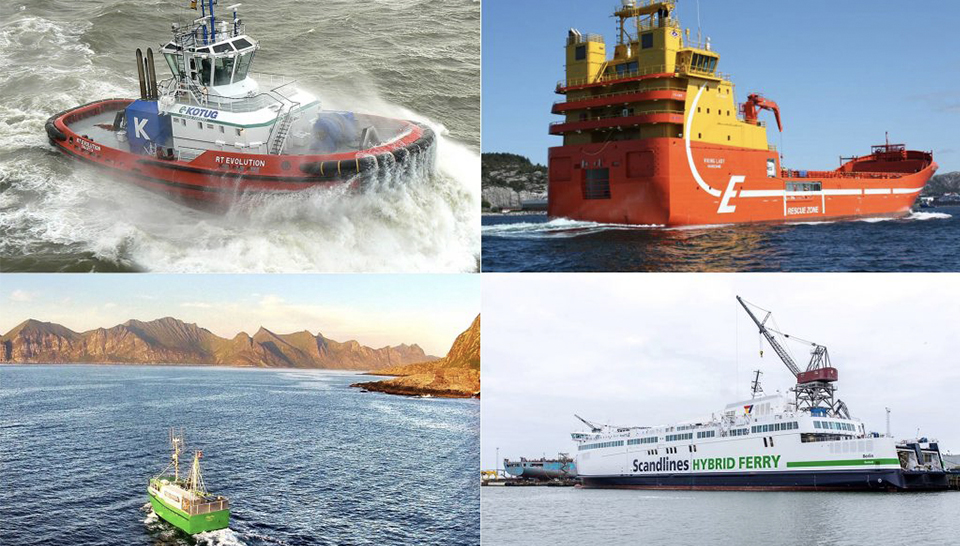
    Events such as the launch of the first hybrid harbour tug in Europe (e-KOTUG RT Adriaan), the world’s first battery powered zero-emission ferry (NorledMV Ampere)the largest hybrid vehicle ever produced (Scandlines, MS Prinsesse Benedikte), the first hybrid superyacht (FeadshipSavannah), the first hybrid Offshore Support Vessel (Eidesvik Offshore, Viking Lady), a 47 knot electric yacht tender (Goldfish Boats e-Fusion).  

    In the early days of the industry, the idea of a purpose built, high performance industrial scale lithium battery was of great interest in other sectors as well. Under the direction of Brent, the company was responsible for some non-marine firsts as well, like the first hybrid class 8 transport truck (built for Peterbilt/PACAAR), several defence projects (classified to this day) and even a fuel-cell/battery hybrid lunar rover (for Hydrogenics). 


    While Brent and the team at Sterling PlanB have said goodbye to the past at the old company and a few of the faces have changed over the years, many of the original core group remain. More importantlythe company culture remains the same. Dedication to innovation, excellence and providing value to the customer will never diminish 

    At Sterling PlanBkeeping the props turning is job number one, and it will always remain so.   

  • Sterling PBES Win SHIPPINGInsight Innovation Award for Hybrid Battery Power Initiative

    Sterling PBES Win SHIPPINGInsight Innovation Award for Hybrid Battery Power Initiative

    Award Presented at 9th SHIPPINGInsight Fleet Optimization & Innovation Conference

    WESTON, Conn. – Oct. 27, 2020 – The prestigious SHIPPINGInsight Innovation Award for 2020 was presented on Wednesday, Oct. 14 to Sterling PBES (SPBES) for hybrid battery power for vessel operations at the 9th Fleet Optimization & Innovation Conference at the conclusion of SHIPPINGInsight’s SHARK TANK. The award is presented annually to honor a solution provider for the successful development and implementation of an innovative initiative that advances the state of the art in ship and fleet optimization goals.  The winner is chosen by the “Sharks” through their “investment” in the various technologies presented in the SHARK TANK

    SPBES developed a cost-effective system to reduce fuel emissions and “future-proof” sources of energy for vessels. The system can use either hybrid or full electric solutions to provide the right technology for different ship demands. Either solution delivers significantly reduced costs of operations and its environmental impact and can act as a “plug and play” system, where ship owners can simply “plug-in” the system and resume functionality.

    “We have such a strong and committed team that has been the backbone of our success, and for them it is recognition that we are all moving the industry towards our goals and can make money doing it,” said Sterling PBES CEO, Brent Perry, who received the of award on behalf of the company. “The industry is faced with so many choices and challenges, now they know we are a valid and commercial decision for them to make.”

    “SHIPPINGInsight is proud to attract innovative products and services to its SHARK TANK every year from around the world,” stated Carleen Lyden Walker, Chief Evolution Officer for the company.  “It is exciting to be able to recognize tomorrow’s solutions today through our SHIPPINGInsight Innovation Award.  Many of our contestants go on to be picked up by investors and maritime interests, but only one is recognized with our award.”

    The award winner received a glass trophy as well as framed certificates.

    About SHIPPINGInsight

    Originally established in 2012, SHIPPINGInsight has grown steadily each year. Focusing on fleet optimization and innovation, the event provides a forum for shipowners and solution providers to exchange ideas and discuss challenges in facing the transformation of the industry. The 2020 event took place virtually Oct. 12-16 and can be accessed by clicking SHIPPINGInsight 20/20

  • Ship.Energy Q&A: Leading the Charge

    Ship.Energy Q&A: Leading the Charge

    Published In Ship.Energy on October 1, 2020. Link to the article can be found here.

    By Lesley Bankes-Hughes | Publishing Director, Petrospot Limited

    ‘In the future, every commercial vessel will have a battery room’’ says Sterling PBES CEO, Brent Perry.

    In this Q&A with ship.energy, Brent Perry discusses the retrofit potential of Energy Storage Systems, lifecycle costs, payback times – and also explains how the technology is evolving to enable new applications – perhaps as a containerised solution or a microgrid, or for a new type of vessel

    Is progress on the industry uptake of electric/hybrid vessels happening as Sterling PBES had envisaged? There seems to be an increasingly-held view that this technology is primarily appropriate for smaller vessels and/or those engaged on shorter, scheduled routes but that it will not have application for larger oceangoing vessels – do you agree with this viewpoint?

    Over the past few years, smaller vessels and those engaged on shorter, scheduled routes have certainly been the primary beneficiaries of Energy Storage System (ESS) technology. Their size and capabilities have made electrification relatively simple, while owners have seen rapid return on investment (ROI) from electrification.

    The operational benefits of energy storage have also traditionally been most pronounced in these markets. For passenger vessels, reduced vibrations and noise have clear benefits to passenger experience, while any near shore vessels are more exposed to national legislation and political or social pressure on greenhouse emissions and air pollution. This is changing as the industry comes under greater scrutiny from regulators and the public.

    Where these segments are the greatest beneficiaries of ESS technology today, we are seeing larger vessels to take advantage of li-ion ESS systems in the coming years. New fuels with lower energy densities than traditional bunker fuels (ammonia, hydrogen, methanol) are expected to become commonplace over the next few years, and energy storage represents a particular efficiency benefit for these vessels in balancing the power output of any given fuel source.

    What is the potential for the ESS retrofit market? Are there onboard installation challenges and also financial implications for this market versus newbuilds?

    We believe that, where not all future vessels will be fully-electric, all future vessels will have a battery room and an ESS. For hybrid systems, an ESS’s infrastructure would not need to be changed if the other fuel used is at a later date. This means that an ESS can via retrofit, future proof a vessel now, cost effectively.

    Historically, retrofit challenges have existed for ESS’s. Systems require some electrical infrastructure, and most systems require a specific footprint that can pose a challenge. New innovations are changing this, such as our new self-contained CanPower microgrid unit which can add energy storage to virtually any vessel. The system is simply, easily and inexpensively located on the top deck or other exterior location, and only requires a connection to the vessels electrical grid via a fixed connection or a plug in to function.

    What are the vessel design challenges associated with the use of ESS?

    It really depends on what you’re looking to do with an ESS. Adding a microgrid can be relatively simple, with a containerised system like our CanPower microgrid solutions being entirely self-contained and only requiring a minimal footprint and using existing infrastructure. With more challenging applications, existing type approval standards are there to apply to meet the expectations.

    Holistic design of the entirety of an ESS and its surroundings is vital to ensure safety and operability. Minimising the footprint and size of a system can have a huge impact, and good design has huge benefits here. In the event of an accident, this holistic principle is even more important; designers need to be sure that toxic gasses would be vented into safe areas, and electronic control systems are fully integrated into a vessel’s other safety systems.

    ESS manufacturers need to offer system integrators and naval architects expert support to overcome these challenges. At Sterling PBES, we take an active role in the design and installation of systems to provide seamless support to ensure efficiency, operability and safety.

    Is there anything that the shipping sector can learn from the experiences of the automotive sector in relation to electric/hybrid technology?

    If you look at the history of hybrid and electric cars, you can see how quickly electrification takes hold. At one point, electric and hybrid cars were seen as fringe and had little take up for decades, but when the technology caught up to the ambitions, we saw a sea change. Even Ferrari now make hybrid cars, and a lot of countries are planning to phase out conventional engine vehicles over the next two decades.

    In the maritime industry, energy storage has been proven as a technology – especially for smaller vessels. We are currently seeing a similar change, as shipowners and other stakeholders take notice of the cost and emissions benefits of li-ion energy storage.

    Could you comment on lifecycle costs/challenges of ESS in the context of a 25-30-year average lifespan of a vessel?

    For most near shore vessels today, the fuel cost savings associated with energy storage represent a fast ROI that remains high throughout a vessel’s lifespan. However, this does not always tell the full story. A conventional ship engine would be expected to survive the normal lifespan of a ship without full replacement, while the useable lifespan of li-ion cells has historically meant full system re-builds are required every five to ten years.

    Innovations like Sterling PBES’ CellSwap technology are changing this, though. CellSwap allows for individual li-ion cells to be replaced without removing the vital system infrastructure, meaning that a shipowner can take advantage of ever improving cell technologies without building in heavy redundancy into a system to improve its lifespan. At the same time, it makes replacing cells simpler than engine maintenance while bringing costs roughly in line with what you may see in a conventional vessel. Life cycle cost of electricity will be in the $0.05-0.06/kWh range.

    Is standard contractual documentation in place for the operation of hybrid/electric vessels, i.e. charter party agreements?

    Sterling PBES offers full financing options, either based on lease to own models or system cost sharing models where the customer pays for the system out of usage and service for the ESS.  Today this is a viable option for all qualified clients and can involve total vessel finance or ESS system finance.

    What is the payback period in terms of investing in hybrid vessels, and is financing available to owners for these vessels (subsidies, bank loans, other investment funds)?

    Payback times really depend on a huge number of factors, including the size and purpose of a vessel, its average fuel costs, and where it is operating. We have seen some passenger vessels see a return on their investment within a year, while it is a longer-term investment for some other vessels.

    Obviously, it is really important for companies to be open and honest in this space and we are committed to calculating these times honestly for our partners. As cell technology and energy density improves, it is important that the energy storage industry acts honestly and builds trust with the industry on payback times.

    In terms of finance, we have seen end users engage with ESG investors and other green funds and initiatives. ESG is rapidly growing as an area for finance, and sustainable electrification fits perfectly with the ethos and mandate of this rapidly growing source of finance.

    For fossil-fuelled vessels, there is a growing call for ‘well to wake’ emissions to be considered. How does this ‘measurement’ of emissions apply to ESS, in terms of production processes and also the disposal of lithium-ion batteries?

    It is true that building and disposing of energy storage systems represents some environmental impact. Mining the materials needed, constructing and installing whole systems, and disposing of the heavy metals included in the cells can have emissions and ecological impacts. These are significantly fewer than with any other type of system.

    At Sterling PBES, we are able to recycle and reuse 96% of the heavy metal content in the cells we use and use recycled material wherever possible. The materials are returned to ESS grade quality for true recycling.

    At the same time, innovations like our CellSwap system mean that the infrastructure of an ESS does not need to be removed, disposed of, and replaced every time a system’s cells need replacing. This even further cuts the environmental impact of our systems, while also cutting costs, and is a philosophy the industry will need to implement as ‘well to wake’ issues are highlighted.

    In your discussions with potential purchasers of electric vessels, what are the main questions they are asking of you in relation to the technology.

    The market is very interested in where the historic limitations of ESS technology are changing, especially from the operational side. People want to know if you can use it in new, novel applications – perhaps as a containerised solution or a microgrid, or for a new type of vessel – in a cost efficient and safe way.

    How do you see the electric/hybrid vessel sector developing over the next 10-20 years?

    In the future, every commercial vessel will have a battery room. The technology has been proven from cost, operability and environmental perspective, while ESS technology will be a vital part of enabling new fuels as the industry prepares for a zero-carbon future.

  • Sterling PBES Launches New Branch to Power Denmark’s Transition to Clean Economy

    Sterling PBES Launches New Branch to Power Denmark’s Transition to Clean Economy

    Canadian energy storage leader sets up Sterling PBES ApS, a dedicated branch based in Copenhagen, to support operations in Denmark and Europe

    Copenhagen, Denmark – October 27, 2020 – Sterling PBES announced today the creation of Sterling PBES ApS in Copenhagen. This new Danish branch of the energy storage experts’ operations will ensure local resources and business development in Denmark as well as other European markets, providing technology-based jobs with a focus on clean energy for marine and grid solutions.

    In December of 2019, the Danish parliament passed one of the most rigorous and thoughtful climate laws in the world, paving the way for continued investment in alternative energy production and storage. The law commits Denmark to reduce emissions to 70% below its 1990 level by 2030, and targets carbon neutrality by 2050. It includes a robust and transparent monitoring system as well as additional legally binding targets that are to be set every five years.

    Sterling PBES fully supports the transition to clean energy in Denmark, and understands that energy storage will be critical to achieving such important goals now and in the future. Sterling PBES’ product is used to provide clean and quiet propulsion for ships, ferries, and port equipment, as well as to smooth renewable energy power fluctuations in the national grid. It is versatile, robust, and known as the safest lithium-ion battery system ever produced. Now more than ever in a post-pandemic world, strong action must be taken to hasten the transition to a green recovery and Sterling PBES ApS stands strong to meet the challenges ahead.

    This investment in Denmark has not happened alone. Executives at Sterling PBES have been working with Invest in Denmark at the Danish Ministry of Foreign Affairs, as well as Copenhagen Capacity, the official organisation for investment promotion and economic development in Greater Copenhagen, to develop relationships that will bring rewards to Northern Europe. “It is with great pleasure that we welcome Sterling PBES to Denmark. Invest in Denmark has been thrilled to work with PBES’ management team to explore the value which Denmark can add to Sterling PBES’ activities in Northern Europe.  Denmark has deep heritage as a maritime nation and has been early adapters of clean tech solutions. We look forward to continuing the cooperation with Sterling PBES”, says Maria Tarp, director at Invest in Denmark.

    “Denmark leads in building industry and technology that will improve the quality of the world we live in. It is a testament to vision and commitment that resides in their spirit.  This spirit will change the face of the entire globe through demonstration and practical proof of the economic and social viability of large-scale adoption of clean energy,” said Brent Perry, Chief Executive Officer, Sterling PBES.

    “We are very pleased to welcome Sterling PBES to Copenhagen and Denmark,” said Matthew Delany, Head of Cleantech & Sustainable Urban Development at Copenhagen Capacity. “Their proven technology and business model provide huge opportunity in Denmark and other EU nations. We look forward to supporting them in their continued success in Denmark and the EU.”

    For Sterling PBES sales inquiries in Denmark, please contact Espen Kristiansen, ekristiansen@spbes.com.

    About Invest in Denmark
    As part of the Ministry of Foreign Affairs of Denmark, Invest in Denmark is a customized one-stop service for foreign companies looking to set up a business in Denmark. www.investindk.com

    About Copenhagen Capacity

    Copenhagen Capacity assists foreign businesses, investors and talent in identifying and capitalising on business opportunities in Greater Copenhagen. www.copcap.com

  • Ozop Energy Solutions: PCTI Executes Agreement with SPBES

    Ozop Energy Solutions: PCTI Executes Agreement with SPBES

    Original Press Released posted by Ozop Energy Solutions. See the Bloomberg posted version here.

    GLOBE NEWSWIRE | WARWICK, NY., Oct. 13, 2020

    Ozop Energy Solutions. (OZSC), (“Ozop” or the “Company”), has announced that its fully owned subsidiary Power Conversion Technologies Inc.(PCTI) has executed a Consortium Agreement with Sterling PBES Energy Solutions Ltd. (SPBES).

    SPBES (Sterling Plan B Energy Solutions) has entered into a Consortium Agreement with PCTI. This agreement is forged around the needs and requirements of the maritime hybrid and electric boat demand. PCTI’s role is supporting the end client with Battery Chargers ranging in the 1-2-megawatt range. With the recently signed agreement, SPBES is looking to release orders for the first four machines.

    Bill Yargeau, Vice President Business Development, commented “PCTI is excited to be a part of this SPBES Consortium. We have been impressed with Brent Perry’s long history and knowledge of electric ferry boats and other maritime electric applications and are excited to be a part of the SPBES consortium. This is a unique alternative energy application and we are happy to be teaming with SPBES on it.”

    Catherine Chis, President of PCTI, noted “Becoming a supplier to SPBES for battery chargers for electric ferry boats falls in line with one of our strategies of supporting a reduction in carbon emissions. We are looking forward to continuing as a partner for many years as the market for sustainable technologies grows.”

    “A battery is only as good as the components that deliver energy to them, and in PCTI we have found a partner that shares our dedication to quality, service and support. We are looking forward to a strong partnership that will deliver excellent support to our customers globally.” Brent Perry, CEO Sterling PBES Energy Solutions Ltd.

    In June, 2019, the principal owners of Shapoorji Pallonji and Sterling Wilson joined the founders of PBES and formed Sterling PBES to serve the global Energy Storage Systems (ESS) market. SPBES has 14 locations around the world. One of the SPBES leaders, Brent Perry, has been personally involved in 90% if the large hybrid and electric ferry projects on the water today. SPBES is doing their part in reducing carbon emissions in the maritime environment.

    Check SPBES out at https://shift-cleanenergy.com/wp-content/uploads/2019/12/About-SPBES.pdf

    SPBES has a large presence in the maritime community for electric solutions and is supported by two very strong partner parent companies, Shapoorji Pallonji and Sterling & Wilson. The relationship between the parent companies goes back to the 1920s, supporting the power and energy sectors, later joining forces in 1973 under the Sterling & Wilson name. In the past few years, Sterling and Wilson has expanded into the energy storage, solar and additional energy sectors.

    For more information on PCTI please follow on the link, www.pcti.com.

    Please be aware that our social media accounts can be used from time to time for additional material events.

    www.facebook.com/PowerConversionTech

    About Ozop Energy Solutions.

    Ozop Energy Solutions (http://ozopenergy.com/) invents, designs, develops, manufactures, and distributes ultra-high power chargers, inverters, and power supplies for a wide variety of applications in the defense, heavy industrial, aircraft ground support, maritime and other sectors. Our strategy focuses on capturing a significant share of the rapidly growing renewable energy market as a provider of assets and infrastructure needed to store energy.

    About Power Conversion Technologies, Inc.

    Power Conversion Technologies, Inc. (www.pcti.com) invents, designs, develops, manufactures and distributes standard and custom power electronic solutions. Founded in 1991 and located in East Butler, Pennsylvania, the Company’s mission is to be the global leader for high power electronics with a standard of continued innovation.

    Safe Harbor Statement

    “This press release contains or may contain, among other things, certain forward-looking statements. Such forward-looking statements involve significant risks and uncertainties. Such statements may include, without limitation, statements with respect to the company’s plans, objectives, projections, expectations and intentions and other statements identified by words such as “projects,” “may,” “will,” “could,” “would,” “should,” “believes,” “expects,” “anticipates,” “estimates,” “intends,” “plans,” “potential” or similar expressions. These statements are based upon the current beliefs and expectations of the company’s management and are subject to significant risks and uncertainties, including those detailed in the company’s filings with the Securities and Exchange Commission. Actual results may differ significantly from those set forth in the forward-looking statements. These forward-looking statements involve certain risks and uncertainties that are subject to change based on various factors (many of which are beyond the company’s control). The company undertakes no obligation to publicly update any forward-looking statements, whether as a result of new information, future events or otherwise, except as required by applicable law.”

  • Startup Battery Solution Reduces Fuel Dependence in the Maritime Industry

    Startup Battery Solution Reduces Fuel Dependence in the Maritime Industry

    Published In Port of Seattle on October 19, 2020. Link to the article can be found here.

    By Omie Drawhorn | Marketing & Communications Project Manager, Port of Seattle

    Washington Maritime Blue, the Port of Seattle, and WeWork Labs have partnered to launch Washington’s first maritime accelerator to help maritime companies innovate and grow. New ideas in one of the most traditional sectors in Washington are critical for a thriving economy and to protect our planet, precious natural resources, and ocean life.

    Washington Maritime Blue and the Port are partnering again to launch the next cohort of the Maritime Blue Innovation Accelerator. Applications for the new cohort are open through Nov. 20.

    This series showcases the 11 companies participating in the inaugural cohort. These companies worked for four months out of WeWork Labs’ Seattle location with mentors and advisers to help navigate challenges. In April, the startups shared their innovative solutions in a Virtual Showcase.

    The maritime industry is responsible for 90 percent of goods delivered in the world but the technology powering the industry has not really changed in 100 years. Most commercial vessels use diesel fuel for almost all operations, which comes with fuel costs, maintenance down time, and impacts on the environment.

    Until now. A Vancouver-based startup has developed a cost-saving, energy efficient way to keep the industry moving into the future. Sterling Plan B Energy Solutions (Sterling PBES) has built a high-powered lithium ion battery used to hybridize or electrify any industrial equipment, powering everything from small cities to commercial vessels.

    Led by a team of seasoned maritime industry experts, Sterling PBES has been building marine energy storage systems since 2009 and is focused on helping the maritime industry lower or eliminate its dependence on fossil fuels by using electrical power.

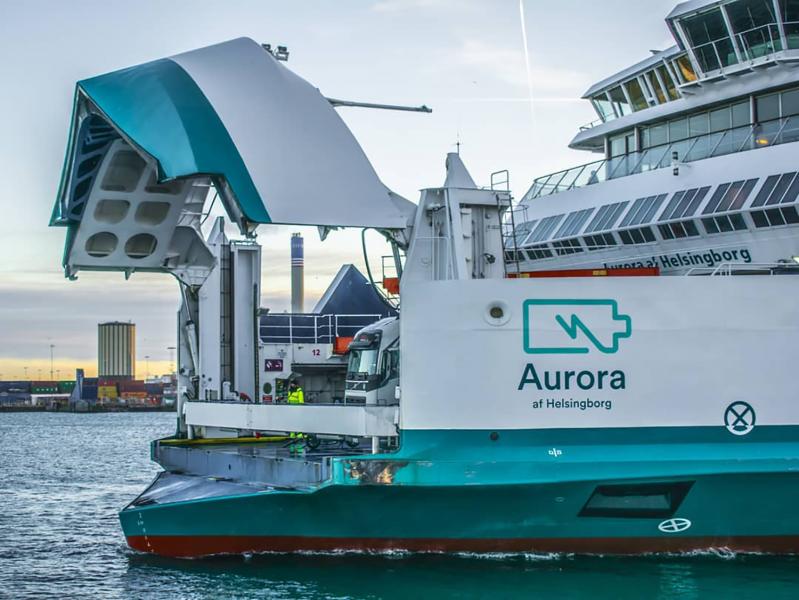
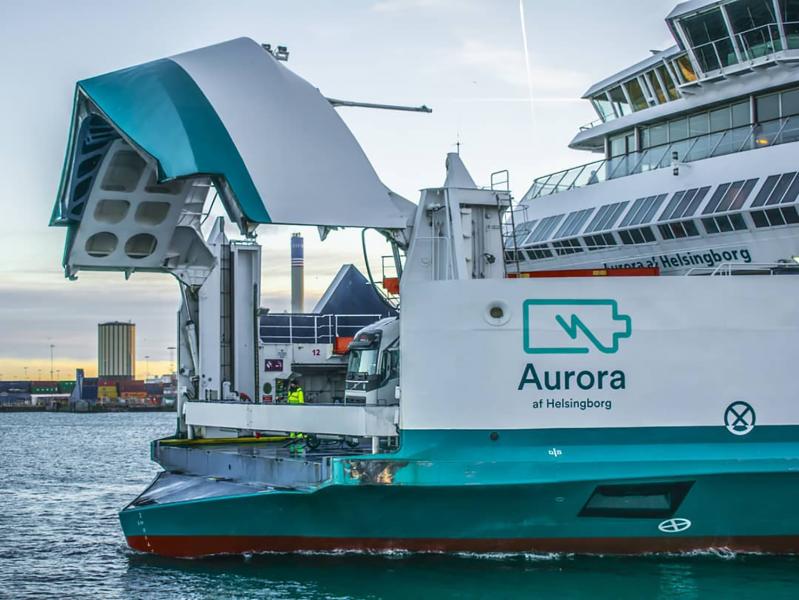
    Electric ferry Aurora

    An electrifying solution

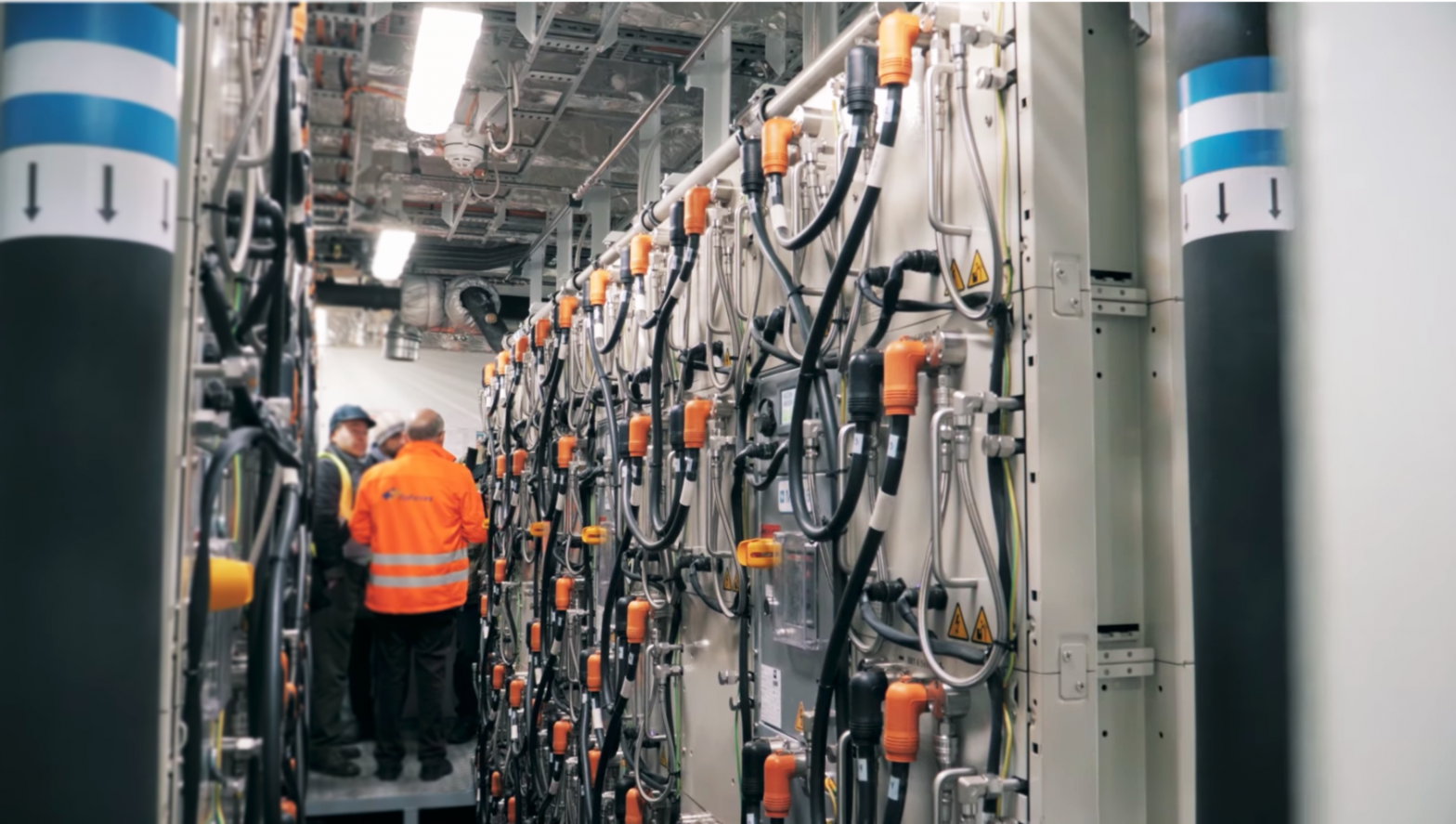
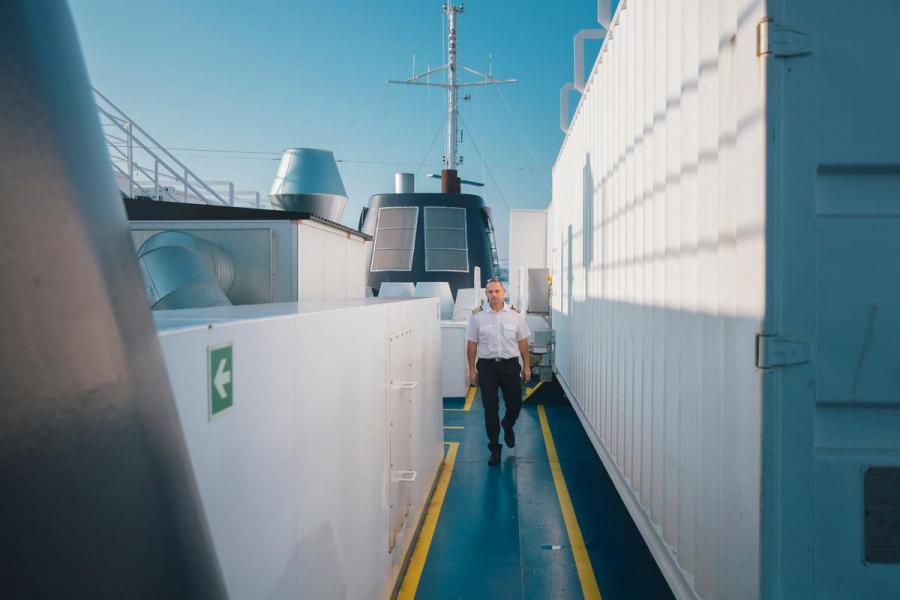
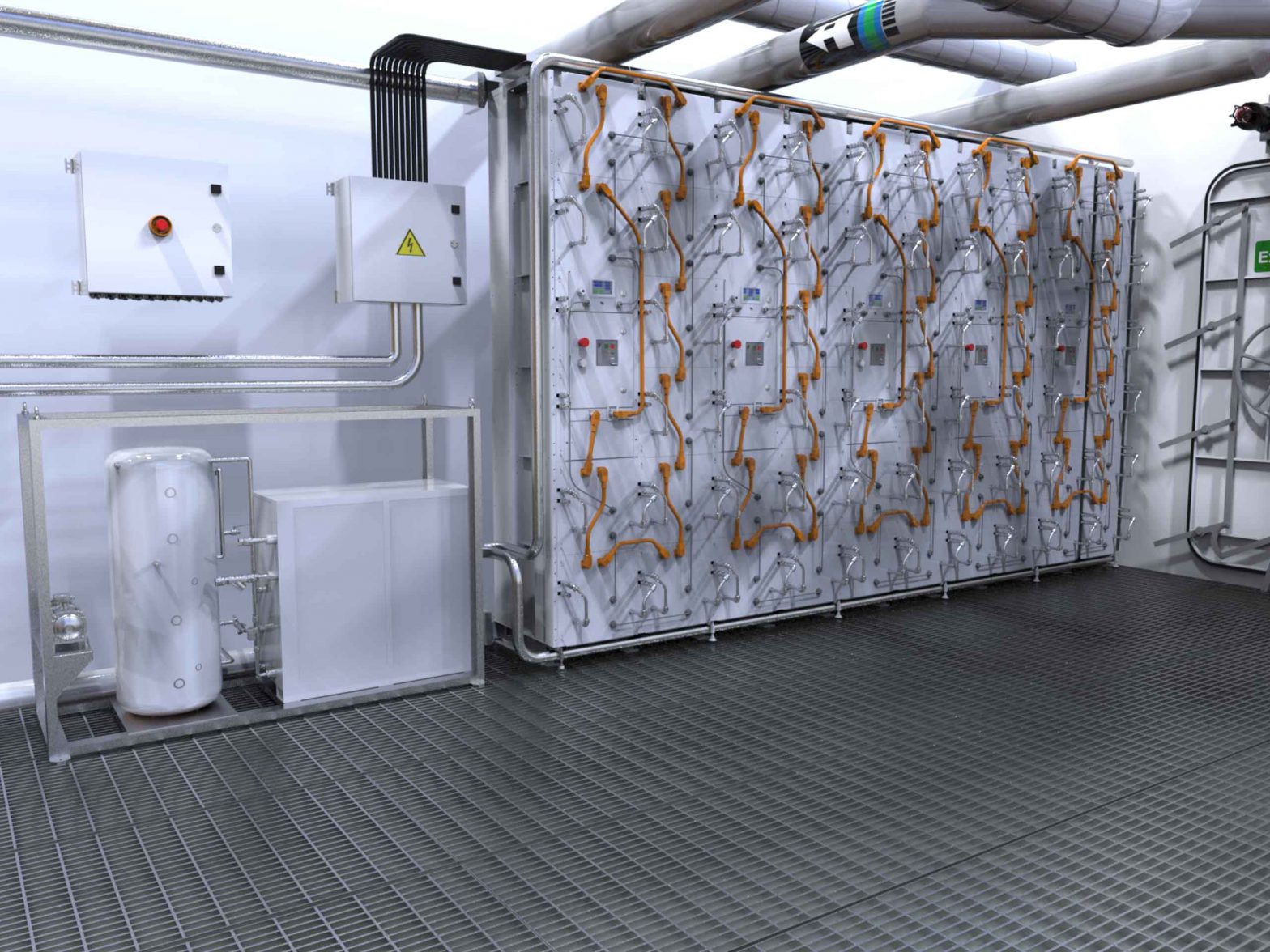
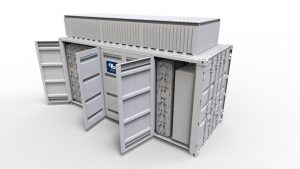
    Sterling PBES developed the CanPower Microgrid, an independent, containerized battery room that fits within standard-sized shipping containers 20 to 53 feet in length. A 40-foot shipping container of PBES batteries can power a ferry or a small community. Its liquid cooling system optimizes the battery’s lifetime, performance, and safety.

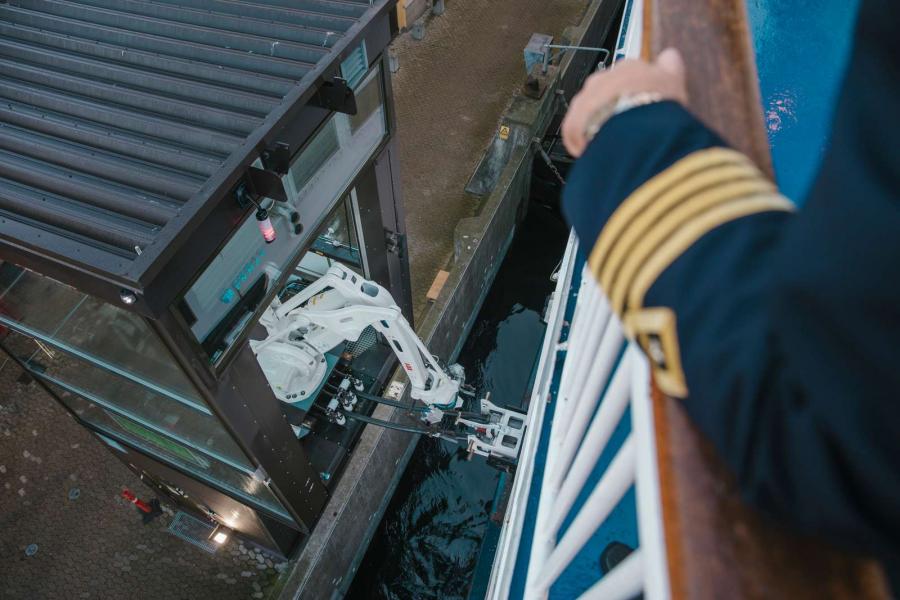
    The battery system can be stored on the top deck or other exterior location of a vessel and it connects to the vessel’s electrical grid through a fixed connection or a plug in. The battery can be charged in as little as six minutes depending on available shore power. The battery can also be easily swapped out, allowing the vessel to continue on to the next destination where another battery will be waiting. The batteries on shore are then recharged and on standby for the next use.

    CanPower is in final development, but the startup has been marketing the technology to potential clients with strong success.

    “We are seeing a huge demand for CanPower, with sales closing despite still being in the final engineering stage,” said Grant Brown, Vice President of Marketing and Brand at Sterling PBES.

    High speed passenger ferries currently being built in Washington state are candidates for the technology. Normally, it takes 20 to 30 minutes to charge a large electric battery – if high capacity shore power is available. With this system, the battery can be taken off the vessel, and replaced with a freshly charged one in a fraction of the time, just like the battery in a power tool.

    “We are also finding a lot of interest from tugboat operators, who want to run a zero emissions ship. It costs a lot to provide high power electricity to a large battery charger; the disruption to city streets and the build of electrical infrastructure means it’s often cheaper to simply buy extra batteries for the ship. With river cruise ships and ships with similar situations, there are predetermined stop points; while they are offloading passengers, they can drop a new battery on the ship. This technology will change the direction for the shipping industry.”

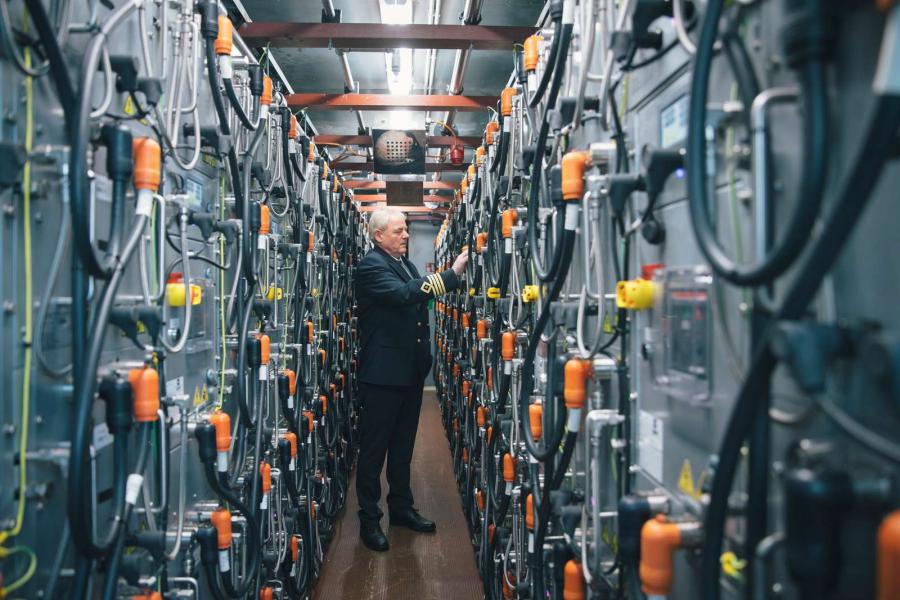
    Installing batteries on the electric ferry.

    A greener industry

    Brown said Pacific Northwest companies are showing a greater interest in reducing emissions, but the maritime industry as a whole has been slow to shift ways of thinking.

    “The maritime industry is extremely conservative. Companies are looking for something reliable and safe for their ships. The industry is risk averse, however saving money is a pretty compelling argument. With environmental regulations coming into effect, battery technology is at the intersection of all those things.”

    Sterling PBES’s battery technology has proven itself to be safe and reliable, and the economic benefits are clear. Despite upfront costs, in many cases the battery system pays for itself in under three years and provides savings for at least 10 years.

    “Hybrid battery systems provide 25 percent or better fuel savings on any ship. It’s a really significant way to reduce emissions. It’s reliable, safe, quiet, and better for the crew. There are no fumes, vibrations, or noise, and companies save a lot of money on fuel, while environmental requirements are satisfied 100 percent.”

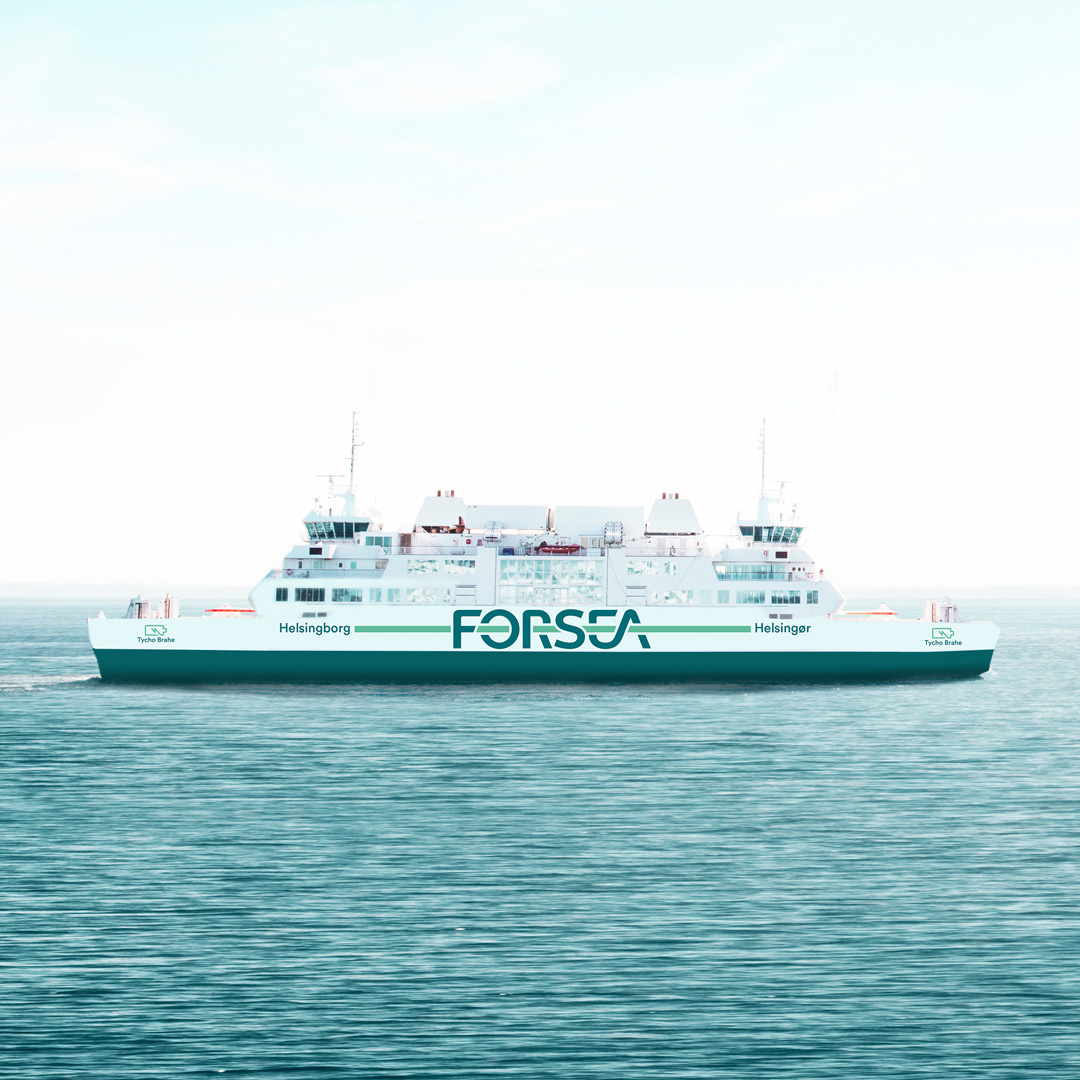
    Ferry ForSea batteries in shipping container.

    Maritime Accelerator

    Brown applied for the Maritime Accelerator cohort to meet likeminded people in the maritime community.

    “I hoped to spend time rubbing shoulders with organizations like the Port of Seattle and Washington State Ferries, mostly to get a handle on how to develop and bring products to market that meet their needs. Rather than sitting in an isolated bubble inventing products we hope people would like, we wanted to look at what the market actually requires. CanPower is a result of those conversations.”

    In the program, Brown connected with people from all corners of the industry, sharing experiences with companies that recycle fishing nets, make fish jerky, or build consumer-oriented battery powered small boats.

    “We wouldn’t normally have direct contact with those types of groups; having these contacts broadens our breadth of knowledge on how to develop products that are more inclusive of different disciplines,” he said.

    Brown said the Accelerator helps to infuse new ideas and innovation into a traditional industry.

    “The maritime industry has been sort of on its own; it’s somewhat of an isolated bubble unto itself. The injection of new ideas into the maritime industry helps propel it forward so it doesn’t get left behind. It helps us stays relevant and current. The industry benefits from new ways of thinking. A lot of participants in the accelerator are quite young, and they’ve grown up in different eras than those sitting with power in the industry.”

    Connecting robot to ship for battery charging

    Next steps

    In the coming months, Sterling PBES will continue rolling out innovations on their new CanPower product, and work through a redesign of the main battery component.

    “We’re trying to lower costs and increase the ability to broaden our supply chain,” he said.

    They are also looking at entering into adjacent markets to the maritime industry.

    “We are looking at providing power for port equipment, refrigeration systems and remote communities. We are looking at providing energy storage with wind or solar systems for places like Puerto Rico or small islands in the Pacific Northwest.”

    Brown said his time in the Accelerator program opened his eyes to different processes and business practices that have been beneficial as Sterling PBES continues to grow.

    “We are thankful we were included, and we’ll take the lessons and tools that we learned with our company as we grow, and hopefully we will be able to offer some experience and perspective to new cohorts going forward” he said.

    PBES battery installation

  • Advances in Battery Safety and Technology: Energy Storage Safety; Lessons Learned in Practical Application

    Advances in Battery Safety and Technology: Energy Storage Safety; Lessons Learned in Practical Application

    Published In Energetica India on October 9, 2020 by News Bureau. Link to the article can be found here.

    By Brent Perry | CEO, Sterling PBES

    Battery technology has evolved very quickly, but the lithium-ion energy storage industry is still relatively young. As of today, there are few commercial systems that can claim to have been in operation for more than 10 years.  Despite this, the economic and environmental advantages of battery storage have meant that there are now hundreds of systems operating around the worldBattery technology has evolved very quickly, but the lithium-ion energy storage industry is still relatively young. As of today, there are few commercial systems that can claim to have been in operation for more than 10 years.  Despite this, the economic and environmental advantages of battery storage have meant that there are now hundreds of systems operating around the world.
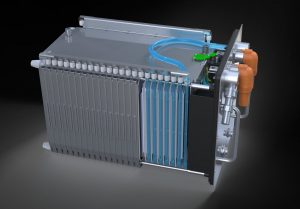
    In 2009, I was a part of the group that produced the first lithium batteries for industrial applications. These were designed to demonstrate the principal that Megawatt scale Energy Storage Systems (ESS) could deliver real commercial value; at the time, there were a lot of doubters. Today, we have evolved not only performance, but also safety, integration, cost and risk management to much more predictable levels. The data obtained from constant commercial use continues to provide valuable information that allows us to continuously improve our systems. 

    This data and experience have led to significant improvements in battery design resulting in improved safety, system life, risk reduction and overall performance. The improved performance of modern industrial batteries has also changed the market. Lower system cost means more and more renewable energy installations are now finding true ROI from energy storage.

    Safety

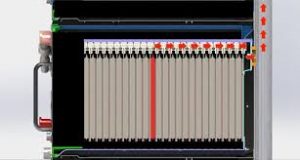
    One critical weakness from the lithium-ion battery industry is fire safety, with the main concern being how to provide a cost-effective system while maintaining operational safety. This challenge was at the top of our minds in every design decision, and we addressed with our patented CellCoolTM cooling system. A cooling system so effective, it removes the risk of thermal runaway. 

    The principal is very simple; reduce the temperature of the cells at a faster rate than the cell increases in temperature. No matter how hard you work them, with CellCool a Sterling PBES battery will not achieve the temperature required to go into thermal runaway.  We worked in cooperation with regulators to develop safety tests designed to demonstrate that the batteries are inherently safe. 

    Even in these very demanding tests, we have proven success. Our CellCool system is able to prevent thermal runaway, making every system safer to operate.  This is done with an inherently simple liquid cooling system and cannot be achieved with air cooling systems due to the inefficiency of heat to air transfer. 

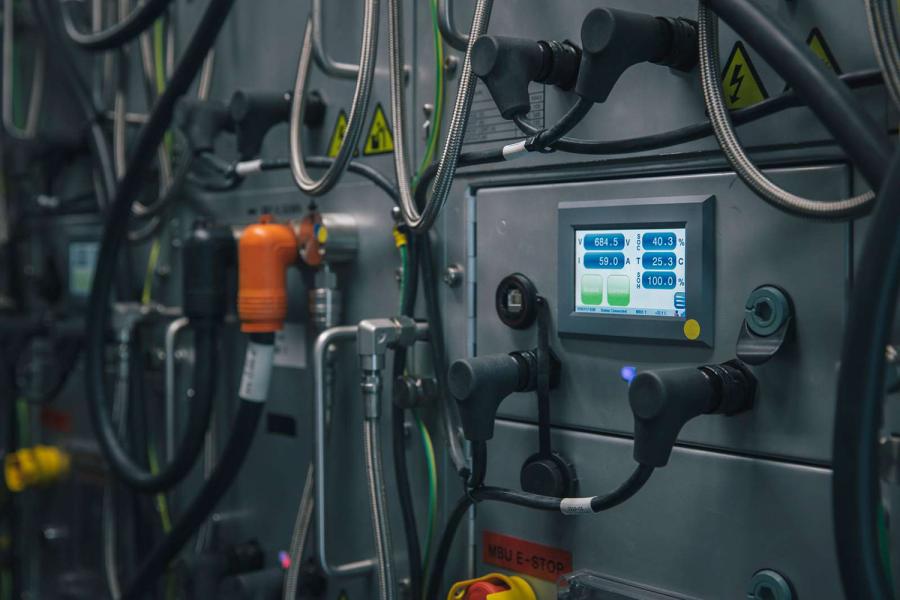
    Safety has other considerations as well. We designed a Battery Management System (BMS) that is inherently focussed on protecting the facility, the battery system and the cells.  This is done at its core by monitoring the voltage and temperature of every individual cell in the system, and then balancing the performance within safe operating parameters. 

    Another critical element of safety in design has been the inclusion of contactors in the individual battery modules. We are building DC voltage systems that range from 300-1500VDC, therefore the risk of personal injury in transportation, installation and service have high potential. For example, a 1500 VDC arc flash can permanently disable a technician.  By adding contactors in the individual battery modules, we eliminate voltage at the terminals until the system is fully engaged and the BMS can confirm that all cables are correctly installed. There is no voltage or power to the terminals as long as the contactor is open. Contactors also reduce the risk by isolating the modules as single units no matter how large the overall system size. The element of crew safety of our technicians and the operation staff cannot be overstated in terms of benefit to our customers. Instead of relying on specially qualified technologists, we can now train the customer’s engineers to do maintenance. This design decision was not free, but it is the right way to go to improve overall safety and reduce costs for our customers.

    Cost

    Another critical part of the design of a battery is not the actual battery itself, but the space the battery operates in. The added costs of necessary safety systems can be significant. Most battery suppliers off-load these safety measures onto other contractors and by not including them in the quoted price of the battery. These add-on systems are critical to the performance and safety of a battery and are therefore included in every Sterling PBES system deployed.

    Another benefit of liquid cooling is the ability to predict the lifespan of our systems. Air cooled batteries are dependent on the ambient temperature to manage the overall life of a lithium battery. Even a small increase in battery room temperature has a significant reduction in calendar life.  In contrast, liquid cooling maintains the temperature of the cells at a fixed range eliminating the impact of ambient temperature on lifespan.

    Size and Cost

    The other significant feature of any system is the percentage of energy available on a continuous basis. On air-cooled designs, the continuous rating is about 70%. This means that if 1MW of energy is required, a battery of 1.4MWh of capacity will operate at 1MW load – a larger, heavier system that is significantly more costly to install and maintain.  If we assumed that the battery system cost $100/kWh, then a 1.4MWh battery adds $140,000 to the capital cost of the system.

    With Sterling PBES CellCool, the battery can operate at an average continuous rate of 300%. A 1MWh system can now be met with a 350kWh battery; much smaller, much lighter, and much less costly to install, with only a $35,000 budget needed.

    Sustainability

    A battery that can last for ten years is a pretty amazing thing, but it will likely not match the lifespan of the power generation system it is supporting. This equates to battery system replacement every five or ten years.  In analyzing a system, our engineers realized that the most significant reason for ESS replacement was the fact the cells will age with time and use.

    With Sterling PBES CellSwapTM the cells of a battery module are able to be replaced within 30 minutes.  Cell swap means that the battery system life span is now the same as that of the power generation system.  With this inclusion, the design of the battery system is now in line with market requirements.

    Recycling will have an increasingly prominent role in decision making in coming years. This is part of the benefit of a cell swap; we can recycle the lithium cells at a very low cost because only the cells are replaced – the other hardware is reused. While often overlooked, it is necessary for any company that uses ESS in commercial operations to include this operational expenditure in their impact analysis.

    Where to next?  Commercial needs will continue to drive improvements. Gone are the days when a battery was a fire and forget proposition. They are now an integral part of the overall system design and can provide significant ROI when deployed thoughtfully and with care. Modern batteries can provide safe, reliable service for decades and, when integrated correctly, reduce the system size and cost of any renewable grid energy system.