Category: Cruise & Ferry

  • How can battery technology reassure industry safety concerns?

    How can battery technology reassure industry safety concerns?

    Written by Brent Perry, CEO, SPBES
    Published in ShipInsight, see link for article here.

    The shipping industry is currently finding itself at a vital transition point with respect to creating a more sustainable future, and with it, embracing the opportunity of lithium-ion technology as an increasingly viable energy storage solution.

    Just by looking at the increasing prevalence of the electric and hybrid vessels as a barometer for pace of change, it is indeed a promising future for the lithium ion energy storage system (ESS). The cruise and ferry industry are increasingly looking to lithium-ion batteries as ESS within their electric-hybrid vessels. This is especially true in Norway, where regulators and owners are leading attempts in adopting electric shipping to power the hundreds of cruise and ferry routes to make the fjords a carbon-neutral zone.

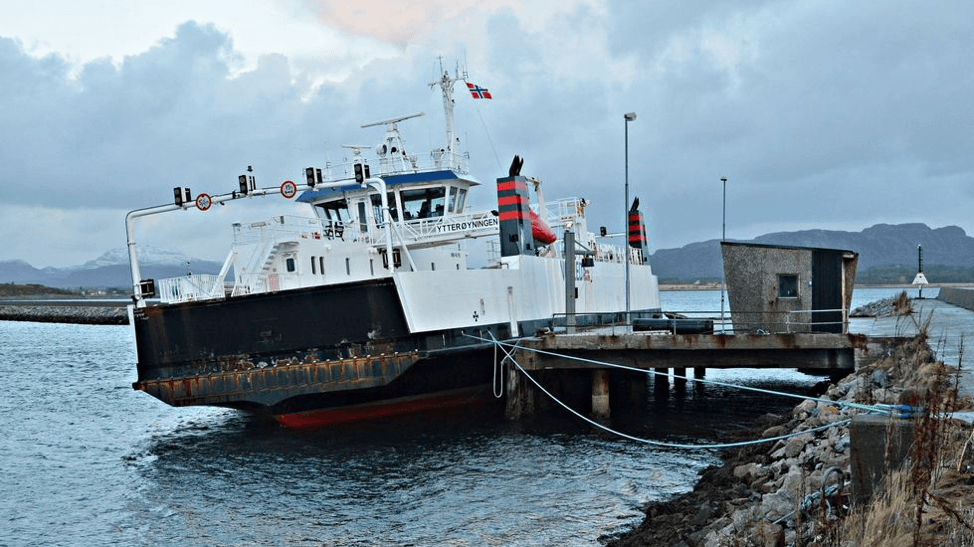
    The recent fire on board the Norwegian ferry, Ytterøyningen, however, has brought the safety issue of batteries at sea into focus. As with any new propulsion technology, it is essential that the industry understands the best practices that go with managing risks and how design, installation and operation of batteries can ensure that they are safe.

    Preventing Thermal Runaway

    The biggest risk surrounding the lithium-ion ESS is thermal runaway. This manifests as a positive feedback loop of increasing battery temperature.

    This can occur after being subjected to mechanical abuse or operating over, or under, the correct voltage or internal temperature. In these situations, heat may be generated within the lithium-ion cells which may in turn increase to a point whereby it melts the separators inside the cells. This causes a reaction between the cathode material and electrolyte and can result in the temperature increasing until the cell vents toxic and flammable gasses. If ignition occurs, these gasses can create an unpredictable fire which can be very difficult to extinguish. In large enough concentrations in an unvented room, these gasses are also capable of creating very large explosions.

    So what solutions are available when it comes to mitigating the risk of thermal runaway within a lithium-ion battery?

    Battery design is key in this instance. The use of complete liquid cooling systems is one verified approach to managing battery temperature, whereby chilled water is circulated through the core of a battery. Liquid cooling, as opposed to air cooling, cools both the interior and exterior of a battery unit. As well as being more effective, liquid cooling has been proved to be far more efficient than air cooling, which requires 3500 times more air flow volume than water flow volume to achieve the same heat removal. To try to compensate, the battery room for an air-cooled system requires a both a robust HVAC system and a way to evenly circulate the cooled air over the individual cells, an extra cost not typically included in the battery price by the battery vendor.

    Mitigating the risks of fires resulting from thermal runaway is only the first layer of protection that ESS must incorporate if they are to be used safely. The risk of a fire cannot be removed in its entirety, so failsafe mechanisms have to be in place in order to reduce the risk to the crew and vessel. Venting mechanisms can remove the flammable gasses away from an unstable battery, reducing the risk of a battery exploding.

    Battery Lifecycle and Safety

    The age of batteries is also a factor in managing risk. Naturally, batteries towards the end of their operational life do present the biggest risk to vessels as the cell materials degrade. This can be mitigated, to some degree, by systems, such as SPBES’ CellSwap system, which allows owners to use smaller systems with a shorter lifespan – negating the need for an over-sized battery that compensates for degradation over time. In this system, battery cells can easily be removed from the rest of the battery and replaced after five years, rather than the standard ten-year lifespan. This means that the batteries used can be smaller, which in itself reduces risk (as well as saving weight and space). It also means that batteries suffer less degradation. Liquid cooling also mitigates risk, as it stops batteries heating up unevenly.

    Smart Charging

    Another factor in ensuring safety is the integration of an intelligent battery management system into the wider automation systems of a vessel. This allows accurate monitoring of voltage and temperature of the lithium ion cells, and links directly to the alarm system. It also allows batteries to charge intelligently – slowing the rate of charge as the battery fills up to avoid overcharging, similar to the charging technology used for electric cars. As long as this system is in place, there is little additional risk to charging batteries as opposed to any other high voltage ship-to-shore power link.

    Best Practice

    Complementing a good design with best practice for safety and thermal management is the first major part of managing the safety concerns that accompany lithium-ion ESS. As there are safety practices for every power solution, whether it is bunker fuel oil, LNG or methane, safe operating practices are fundamental when it comes to marine batteries.

    In the wake of the Ytterøyningen fire, Norwegian Maritime Authorities have issued two safety recommendations: that battery units on hybrid vessels should be connected at all times to alarm systems and regular risk assessments are carried out on battery units.

    Recycling

    Mirroring their operational environmental credentials, how can marine batteries be environmentally friendly when they’ve reached the end of their operational life? Akin to embedding safe design, constructing batteries out of recyclable materials is a big leap forward in improving the eco-credentials of marine batteries. Ordinarily, when a battery comes to the end of its life, the whole system must be recycled and replaced with new components. Companies like SPBES have taken on this problem by designing a battery system with a 30-year life that includes CellSwap every 5-10 years. Replacing only the cells leaves the balance of system in place and significantly reduces the amount of recycling needed. The cells are certified as recycled, and the clients have clarity on the total environmental impact of their ESS. In other cases, where the entire system has to be replaced every 5-10 years, the recycling impact can be significantly higher, with no managed overview to ensure total recycling. This usually requires replacing a plastic housing and internal components held together with glue, creating a large amount of waste. As we see it, a better option is to recycle only the cell as most of the parts of a battery cell, including the rare earth metals used to create it, can be recovered using the latest recycling techniques.

    It is encouraging to see the shipping industry take steps into exploring the use of electric hybrid vessels. However, as with any transformation, there will be concerns, especially with something as deadly as fires and explosions.

    Therefore, it is vital that marine batteries have safety embedded within design, as well as operated alongside robust safety procedures. This will allow a greater scale of update and lead to widespread benefits realisation.


    Published in ShipInsight, see link for article here.
  • Safety Concerns for Hybrid & Electric Ships

    Safety Concerns for Hybrid & Electric Ships

    By Brent Perry and Grant Brown, Sterling PBES Energy Solutions (SPBES)

    Preface
    On October 11, 2019, an explosion rocked passenger ferry Ytterøyningen while dockside at Sydnes, Norway. The vessel, recently refit with a lithium-ion battery hybrid drive, is part of the new fleet of low and zero emission vessels being deployed across Norway and other parts of the world. The vessel was at dock having been pulled from service the night before due to a fire in the lithium propulsion batteries; a condition known as thermal runaway. The root cause of the fire is still to be announced, but the secondary explosion caused significant structural damage to the vessel; likely a result of a buildup of flammable gasses below deck. Thankfully none of the 15 people admitted to the hospital were badly injured and all were soon released.

    The concern of all parties in this industry is the root cause of the fire, the explosion and the impact of this event on our industry currently. The impact to future vessels incorporating lithium storage systems also must not be ignored.  Based on a lifetime of experience in the marine industry, the following are my personal opinions and observations about how we can reduce passenger risk and increase vessel safety and reliability.

    History

    When we founded this industry in 2009, the initial concerns that we had to address were centered initially around actual performance and safety.  The questions were simple: Does large scale lithium energy storage actually have the capability to optimize or replace fuel driven engines? Can this be done with the same safety and reliability of current commercial marine systems?  The next consideration was cost: Could lithium ESS actually match or improve the financial operating costs of commercial marine installations?  And lastly, did lithium energy storage improve the environmental impact of the commercial marine industry.

    At the time, lithium ESS was priced at around $3000/kWh, making it too expensive for widespread commercial adoption, and it was not available in a form factor that could support industrial scale marine installations.  Simply put, the technology was not commercially viable.  This lead me and my partners to take advantage of our unique position as marine people with strong battery knowledge to design the first “fit for purpose” lithium battery; one that was scalable to deliver MW scale power on a continuous basis.  Our efforts, along with the support of the type approval agencies, flag authorities, fleet operators and system integrators (and a host of un-named people who all supported the dream of an emissions free marine industry), led to the acceptance of the use of lithium ESS in support of both hybrid electric installations and full electric vessels.

    By 2014, the price of lithium ESS was approaching $1000/kWh and was regarded as a commercially acceptable solution in the marine industry, centered on Northern Europe and Scandinavia.  Government legislation in this market area presented us with an opportunity to support environmental targets, while delivering better financial results than conventional technology. An added bonus was actually reducing risk and improving safety of vessels overall.  There were still a lot of challenges. We were all learning as we went about how to engineer better and safer systems. At this point other companies saw a viable market and a chance for successful commercial use of their own lithium-ion solutions.  The revolution was firmly rooted and taking hold of the industry.  Most newbuilds were considering use of ESS in some form and many systems were being deployed.

    Of course, the challenges started to grow as well. Now that we knew it worked, we had to figure out how to make it safer and more reliable while reducing cost.  There are a lot of lithium solutions that are significantly cheaper than what meets the unique needs of the marine industry, but these are produced to serve markets with very different performance requirements than exist in commercial marine.  The inflow of battery supply has created a growing demand on the type approval agencies and government authorities to further define the standards and safety criteria. The overwhelming number of technologies available present a dizzying variety of potential issues to anticipate and manage in defining the standards.

    “In the rush to make this technology affordable, we cannot avoid the necessary steps to maintain safe operation. Safety is first and paramount always.”

    Brent Perry, CEO, Sterling PBES Energy Solutions


    Evolution

    Experts estimate that all modern commercial vessels will soon have some form of energy storage on board. Each year there are more and more hybrid or fully electric ships navigating waters worldwide. These ships range in type from ferries transporting thousands of people daily, to offshore supply vessels and now even cruise ships. These vessels increasingly rely on lithium-ion energy storage as a power source, with modern designs containing hundreds of individual modules (batteries).  The technology has proven itself reliable and powerful, but lack of performance history means lessons in safety are being acquired through daily operation. This is new technology and knowledge is being gained in real time.   Safety systems need to be validated and must be kept as the highest priority.

    As the industry founders that brought the first purpose designed energy storage to large marine projects, here is our opinion on what changes need to be made to improve safety.
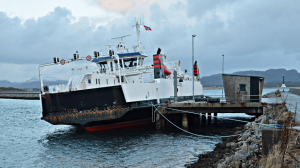


    The ferry Ytterøyningen at Brekstad. Photo: Alexander Killingberg


    Testing & Certification

    One of the biggest risks for batteries is not just fire, it is overall thermal management.  Onboard the Ytterøyningen, the fire may have appeared to be under control, but the possibility for a lithium fire to continue to smolder is very real. As long as there is energy within the cells, risk remains of further fire and gas production. In our early days, our engineers were involved in automotive testing. In the course of these tests we observed one lithium fire that (in a controlled environment) took two full days to fully exhaust its energy and ultimately be extinguished. Aboard Ytterøyningen, I suspect that the batteries were damaged in some way and additional lithium-ion cells continued to fail after the initial fire occurred. The subsequent thermal runaway produced the gasses that ultimately led to the explosion the next day.

    Thermal runaway occurs if the lithium-ion cells used in marine batteries are subjected to mechanical abuse, suffer from internal manufacturing defects, or operate over or under the correct voltage or internal temperature. In these situations, heat may be generated within the lithium-ion cells which may in turn increase to a point whereby it melts the separators inside the cells. This causes a reaction between the cathode material and electrolyte and can result in the temperature increasing until the cell vents toxic and flammable gasses. If ignition occurs, these gasses can create an unpredictable fire which can be very difficult to extinguish. In large enough concentrations in an unvented room, these gasses are also capable of creating very large explosions.

    The minimum requirement for batteries used in commercial vessels in Norway is the Propagation Test Type 1. To receive certification this test is repeated three times and is intended to show prevention of propagation of the thermal event from one cell to the next. Simply put, this test means that if a cell in a single module ignites, fire may consume the single cell but will not enter thermal runaway and ignite the other cells in the module; thus the larger system remains safe.

    Isolating a thermal event to one cell makes sense but reliance on this standard on its own creates potential problems:

    1) The gasses that escape from even one cell are very flammable and are dangerous in an enclosed space. Proof of management of dangerous gases is required.

    2) What occurs when more than one cell is involved right from the beginning of the event?

    3) What happens when a module full of cells fails or even an entire system?

    4)  How can software help to predict and prevent a physical incident?

    Testing to validate the design of batteries needs to expand to incorporate the risks we identify above.  There is enough demonstrated market in the growing use of ESS to rationalize the furtherance of testing standards. It is a natural next step and will keep the focus on best engineering practices all around to minimize risk.


    Testing – Next Generation

    The technology exists today to nearly eliminate risk of battery failure, starting with fundamental safety systems that are not uniquely dependant on software. These hardware-based systems are complimented by software that can effectively alert the operator of real risk. Further, they must be incorporated with system testing to define the risks for whole system failures.  This means that in testing a system, it has to be able to demonstrate gas extraction; that is removing risk of gas exposure to crew and firefighters and dispersing it so that the risk of explosion is mitigated.  Safety testing must involve overcharging a pack so that cell failures are forced in more than one location, so that total safety management can be observed.  It requires software that is able to continue to deliver important voltage and temperature related alarms at all times, not just when a system is in operation.

    Combined with existing tests, this next generation of testing will be a very strong forward step to reducing the fears of operators. It will inspire reputable battery companies focussed on the needs of the industry to be better partners and prevent the others from bringing inappropriate solutions to market. This will reduce commercial risk instead of creating inevitable issues on board the very vessels that are at the core of this growing market.
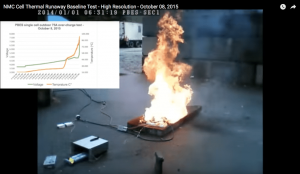
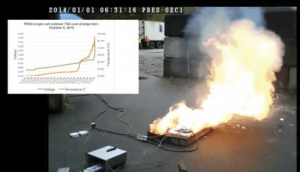
    The image is a screen capture of an SPBES baseline test to show the energy contained in a single cell. A typical commercial vessel may carry many thousands of these cells.

    Image 2 Lithium Cell Fire.JPG – Link to https://youtu.be/kZsqzAx-Svs 


    The Solution – Prevent Thermal Runaway

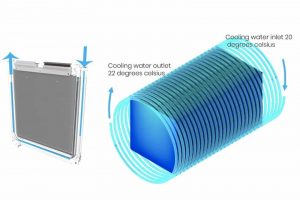
    Liquid cooling is the only safety system currently tested and proven to prevent thermal runaway. These active cooling systems prevent batteries from entering thermal runaway by simply extracting more heat than the cells can produce. Similar to an engine block of an automobile, a low pressure, high volume closed loop of chilled water is circulated through the battery. SPBES has developed a proprietary and patented cooling system that takes this idea one step further and circulates coolant through the very core of the battery, around each individual cell in the system.  SPBES CellCoolTM is able to remove more thermal energy than the cells can produce when in an overcharge or damage scenario, effectively preventing the cells from achieving the temperature needed to go into thermal runaway.

    Independently validated testing shows that the SPBES system is so effective that it works even if the coolant pump is disabled. This means that even in the event of catastrophic damage to the vessel’s electrical system, the system will still protect the batteries. Due to its patented design, CellCoolTM also eliminates hot spots on the cells and maintains optimal cell temperature – thus increasing cycle life and overall lifespan.

    In comparison, forced air cooling only cools the external surfaces of the cells and is ineffective at eliminating hot spots in the cells. An air-cooled battery requires around 3500 times more air flow volume than water flow volume to achieve the same heat removal. To try to compensate, the battery room for an air-cooled system requires a robust HVAC system, an extra cost not typically included in the battery price by the battery vendor. A system using a chiller plate is only able to cool one single surface of the module and is therefore unable to fully prevent hot spots or remove all of the thermal energy contained in a lithium-ion battery.


    Additional Safety Considerations – Thermal Barriers and Venting

    Effective internal thermal barriers are an essential part of lithium battery safety systems. SPBES Thermal-StopTM is a metal barrier integral to the structure of the battery that works similar to a firewall. It prevents an overheated, overcharged or damaged cell from propagating to the adjacent cell. The event is therefore isolated to one cell and does not affect the others. Ignition does not jump to adjacent cells because of the metallic barrier between them. Because SPBES batteries have a solid metal internal assembly, they are in effect armored and resist mechanical damage from external forces.  Even in the event of a totally spontaneous combustion, the cooling system is able to prevent propagation from cell to cell.  In testing of spontaneous cell failure, cell temperature approached 500 degrees centigrade, but the adjacent cells never were hotter than about 80C. Upon disassembly, the adjacent cells showed no visible damage – they looked like new.
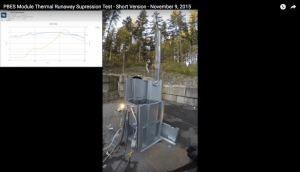
    The image is a screen capture of an SPBES thermal runaway test. Even with the cooling system disabled no thermal runaway event occurs. The graph shows the voltage and temperature increasing to the point of cell failure, and the subsequent cooling. In an air cooled system this thermal event could continue for hours or days until all the energy is released.


    Image 3 Thermal Runaway Test.JPG – link to https://youtu.be/e3ZOvwBUmx0

    In the event that a cell is damaged or overheated within a module, dangerous gases are released.  It is therefore important for every battery systems to be vented to protect the crew from exposure and protect the vessel from explosion. E-VentTM is another SPBES patented system to vent flammable gasses safely away from the battery area using a one-way valve that opens at low pressure. Gas is removed by an explosion proof fan that operates continuously or upon heat or gas detection.  When gas flow stops the valve immediately closes, restricting flow of air or gasses back into the battery. This simple system reduces risk of crew exposure or a secondary explosion. It thus allows the crew to safely re-enter the vicinity of the battery system sooner to make repairs and restore power.

    Using the SPBES CellCoolTM system, the cells simply do not combust. In fact, when modules used in standard overcharge testing were disassembled and inspected, the cells that had been overcharged looked virtually identical to untested, brand new units, save a small rupture on the top of the cell near the terminals. Despite the fact that virtually no gas has been detected during these tests (typically a 75Ah cell can produce 120l of gas, with liquid cooling we reduce this amount to around 800ml), we understand the potential risks. Every system we install has integrated CellCoolTM and E-VentTM systems installed.


    Conclusions – Will it happen on your watch? 

    Given the rapid uptake of the use of large format lithium-ion batteries it is difficult for regulators to stay abreast of technology changes. I believe it is in the best interest of the maritime industry to do everything possible to ensure crew, vessel and environmental safety. As the thought leaders of energy storage in the maritime industry, SPBES has always been willing to licence its safety systems to other manufacturers in order to improve safety. We are willing to help any organization, be it regulatory or supplier.


    About SPBES

    Since developing our system, SPBES has installed 21 MWh of lithium storage on 17 vessels. SPBES energy storage is the only energy storage system proven to stop thermal runaway. It has been engineered with performance and safety as the two guiding principles that direct the design. The resulting liquid cooling system is the only one that makes the battery last longer, work harder and ultimately reduce risk.

    Please contact info@spbes.com for more information.

    For news about SPBES or to sign up for news updates, please visit SPBES.com.

    https://spbes.com/battery-news/
  • SPBES response regarding recent fire and explosion on board ferry Ytterøyningen

    SPBES response regarding recent fire and explosion on board ferry Ytterøyningen

    As a leading Battery System provider to the Marine industry, SPBES has been asked to provide a response in regard to the recent fire and explosion in the battery compartment of the ferry Ytterøyningen.

    Battery system safety is the primary concern in any system design. SPBES has designed several layers of safety into our system to ensure that there is reduced risk of a similar event occurring with one of our systems. The primary safety feature is our closed loop water cooling system (CellCool ™) that is independent of the operation of the battery. This means that in the case where an individual battery unit, or indeed even a full string(s) is offline, the cooling system stays in operation whether or not the batteries are connected. In addition, we have run extensive destructive testing in our lab where we caused cells to fail inside our battery, and successfully stopped the resulting thermal event without experiencing any sort of thermal runaway. All gases were vented properly and safely through our ducting system and the adjacent cells were maintained at safe temperatures.

    SPBES normal operating procedure is that when an individual string is not connected, the cooling system runs continuously, but the string control unit (called an MBU) does not communicate to the ships control system until the string functionality is restored. As an added measure, we are amending our procedures to maintain communication between the MBU and the customer interface when a disabled string is not in operation. This procedure can be implemented immediately, but may in some cases require manual installation of a software update by SPBES in coordination with our customers. We are currently assessing the effort to implement this feature in our system as a standard procedure and expect to have a plan for that by the end of October.

    Please do not hesitate to contact us directly if you have any concerns or questions, info@pbes.com.

    You can download the PDF version of this here.

  • Practical Application of Energy Storage

    Practical Application of Energy Storage

    Excerpt from The Journal of Technology, written by Grant Brown, VP Marketing SPBES.  Published November 2018.  Read full article here.

    Marine engineers have long been aware of the potential efficiency increases from hybridizing their onboard energy systems; the ability to optimize the use of diesel generators by storing excess energy and using it to provide propulsion during low load times. However, only recently has the battery technology been improved to the point of allowing large-scale systems to survive in a commercial marine environment. Not only do these new energy storage systems survive, they are designed for and excel in commercial marine environments. Hybrid tugboats, offshore supply vessels (OSV), ferries and a variety of other purpose built vessels all derive huge efficiencies from the use of onboard energy storage.

    These hybrids range from new builds to retrofits of existing vessels. Payback on investment is a critical component in the decision to convert or build a hybrid workboat. However, an often overlooked benefit is the redundancy and increased safety offered to the operator of a hybrid vessel. A vessel employing a large battery or energy storage system (ESS) not only operates more efficiently, it also has an ability to draw upon a reserve of energy instantly. This pool of energy may be used as spinning reserve to keep the vessel from harm’s way in the event of power loss, provide emergency navigation and hotel loads, auxiliary propulsion power, and even extra bollard pull to the main drives in the event of an emergency situation while towing. While these and other advantages, such as the environmental and cost savings benefits, are well-documented, real world lessons learned by an experienced integration and engineering team are exceptionally valuable. This experience helps vessel owners, operators and designers understand how to design and integrate a lithium energy storage system for safe, reliable use, now and for years to come.

    Simply put, batteries will reduce a vessel’s exposure to risk and make it fundamentally safer to operate, while providing economic gain for vessel owners.

    Risks of Energy Storage
    Despite the obvious advantages to a vessel using energy storage to increase efficiency, redundancy and safety, the batteries themselves may pose risk. Due to an event known as thermal runaway, the batteries, if not managed within certain and specific parameters, may pose risk of combustion.

    Lithium ion cell forced into thermal runaway – all safety mechanisms disconnected.

    Thermal runaway occurs if the lithium-ion cells used in marine batteries are subjected to electrical or mechanical abuse, suffer from internal manufacturing defects, or operate over or under the correct voltage or temperature. Heat is generated within the lithium-ion cells and in cases where this heat exceeds a specific temperature (usually in excess of 120˚ centigrade), the internal structure of the cell begins to degrade. This degradation results in the internal separators melting and thus causes a reaction between the cathode material and electrolyte. This can result in the cell temperature increasing until the cell vents toxic and flammable gases. If ignition occurs, these gases can create an unpredictable fire, which can be very difficult to extinguish.

    Therefore it is extremely important to a) reduce risk by designing and manufacturing the highest quality product available, b) reduce risk by managing the batteries in the safest possible way and c) provide a system that is capable of containing and suppressing thermal runaway should it occur. While we have come to accept the risks of maintaining large quantities of flammable diesel on board a vessel, it is due to decades of experience that we now have very little incidence of diesel fire. This is due to trial and error, consistent regulation, and adoption of best practices for management of the systems.

    The same learning curve is occurring in the marine industry regarding large-scale lithium batteries. Currently, regulations do not reflect the realities of the size and types of systems that are now being installed and while it is unfortunate, it may take some sort of significant incident to force the industry regulators to adopt stricter regulation.

    Fire Suppression
    Given the possible issues associated with fire and explosion, the class groups have spent a lot of time focusing on how to prevent and manage fires and thermal runaway. No matter the amount of care that the class rules can apply to prevention, it does not remove the battery manufacturers from the responsibility of incorporating sophisticated prevention systems into the design of the batteries. With lithium energy storage systems now regularly being discussed that exceed several MWh of capacity, the risk of thermal runaway or fire cannot be taken lightly. Today’s hybrid designs must take this into account and do everything possible to ensure that a fire cannot start in the first place. This has created a shift in thinking that is driving designs to incorporate liquid cooling systems. These liquid cooling systems manage battery safety inside the core of the module through temperature control and management at the cell level. Fire suppression is critically important but must be viewed as a secondary system to manage the issue in extreme circumstances, after all else fails. Fire suppression systems therefore are recommended to control external fires adjacent to the energy storage system to prevent them from causing a thermal event in the battery room. If desired, fire suppression in the battery room may also be employed to further give peace of mind as a backup system. Mist type fire suppression provides adequate cooling to suppress virtually any fire (outside of a major catastrophe involving the ship itself) that may pose a hazard to the energy storage system. In order to meet class standards, the energy storage system itself must be rated for IP67 water resistance and therefore able to safely withstand activation and use of mist type fire suppression.

    Management Systems, Communications and Controls
    Modern battery systems provide an ability to not only integrate with existing systems on board the vessel, but also increase longevity of system life and enhanced safety of the system. These systems reside inside the battery modules and the system controller, which in turn communicates with the other vessel power electronics. The Battery Management System (BMS) is able to predict module lifespan using complex algorithms that incorporate historical data and projected future use. This allows vessel owners to alter their use profile of the energy storage system to a) increase lifespan, b) increase vessel fuel efficiency, or c) a combination of both. The BMS is also an extremely important part of the safety system of the ESS. It constantly monitors the internal core temperature of the modules and if they are going out of spec (too hot or too cold), they will warn the vessel captain to limit use. The BMS is also able to actively monitor the state of health of the system within the temperature warnings; if a specific component in any one part of the entire system is out of spec, the system will warn the captain and the team who is monitoring it. The monitoring team will then proactively engage with the vessel and determine what, if any, course of action need be taken. If the warnings continue without intervention from the team, or if the vessel crew ignores the warnings, the system will protect itself and the vessel by disengaging from the DC bus and isolating all the modules in the system via their internal contactors, effectively reducing system voltage from a maximum of 1,000 V to ~100 V (the voltage of a single module). As the controls are powered separately from the ESS, they are safer in that there is redundancy in the system. It will always have an external power source ensuring the cooling system is operating and the management system is communicating with the vessel and system administrator team at all times, regardless of the system status.

    Cooling Systems
    While the industry standard for many years was passive cooling on all systems, it is increasingly apparent that the smaller systems demanded by industry are required to operate at, or beyond, the limits of passive cooling. Virtually all modern ESS employ some form of liquid cooling, either as an optional addition to the standard system or as an integral component. Advanced, state of the art ESS use individual cell level cooling systems; the coolant circulates within the very core of the battery module at a low pressure enabling far greater charge and discharge currents, increased lifespans, and reduced system sizes. In fact, the most modern of these systems has been validated to discharge approximately 16 times more power than the current industry standard product. Typically the ESS will connect to a standard chiller of specified size, using an inexpensive and small pump and be able to meet the very high demands with a far smaller system size and capacity with resulting cost savings benefits.

    Conclusion
    The new breed of hybrid commercial vessel is now a proven workhorse capable of huge economic and environmental benefits in virtually every application it is deployed (Figure 5). The added risk mitigation and increased safety has tangible value that should not be dismissed. No longer is the reduced cost of ownership from the decreased fuel consumption and maintenance outweighed by concerns about safety and reliability. As with any updated technology, lithium energy storage is new and system design is currently being refined, as are class rules regarding the use of the technology. As a co-founder of one of the early companies developing energy storage for hybrid marine systems, I have observed the industry develop, grow and mature. It is my assertion that the technology is gaining momentum by leaps and bounds. As it continues to evolve so will advances in the design and safety of the systems and increasingly strict regulations governing their use. The industry is now producing safe, reliable systems that provide meaningful financial benefits for the owners, safe operation for the crew and, ultimately, huge environmental benefits for the planet.

    Read full article here.

  • A Battery Room Fire

    A Battery Room Fire

    [vc_row][vc_column][vc_column_text]“In the rush to make technology affordable- we cannot avoid all the necessary steps to stay true to the reality of our markets- Safety is first and paramount always.” Batteries have made incredible progress in the last ten years and are an integral part of the solution- financially, environmentally and socially. Our thoughts go out to all of the first responders affected by this event- godspeed your recovery. – Brent Perry, CEO SPBES

    Below is an excerpt from OffShore Engineer published October 15, 2019 by William Stoichevski about the recent battery fire on-board the MF Ytteroyningen. Link to full article here.


    A Fire in the Battery Room

    The fire on the night of October 17 occurred just a hundred meters from shore, and “passengers and crew got to land before the situation escalated”, NRK reported. The fire aboard the ferry MF Ytteroyningen, reported by Norwegian national broadcaster NRK, was a stark warning. It escalated. The fire in the battery room was thought to have been extinguished during the night, but an explosion below deck rocked the converted hybrid ferry in the morning. Damage is severe and structural.

    The risk inherent in marine energy storage has, however, been known and understood — by a few. Little-known lab tests in Sweden produced fires.

    Canadian entrepreneur and shipbuilder Brent Perry, behind both Corvus and PBES (now SPBES), has cautioned about thermal runaway and fumes build-up for years, adding that some competitors don’t understand risks that need to be mitigated via special safety mechanisms.

    Brent Perry (Photo: William Stoichevski)

    Rig risk
    The risks need to be thoroughly understood and responded to given the implications of the MF Ytteroyningen fire for rigs or the offshore service vessels hoping to rely on energy storage. Was it the ferry’s battery room construction that caused the explosion and fire? Was it a flaw in the energy storage system itself?

    Rig owners and operators need to know what caused the metal-melting battery fire aboard that ferry before more marine batteries are installed on anything destined for an offshore hazard zone. Early investigations reveal the batteries weren’t plugged in.

    But what caused thermal runaway in the first place.

    Perry once told this author that the systems have to robust enough not to need their own battery rooms, where fumes can gather. Batteries need to speak to technicians, and then they need to be kept at stable temperatures. Their control programming needs to be adjusted.

    I’d talk to Perry, as he seems to have written the rules on energy storage safety.

    “We monitor these systems 24/7. If we see a slight variation in voltage, we know it before the customer does,” we once quoted him as saying.

    “Lithium batteries — although they have extraordinary performance capacity — are very temperature-sensitive beasts.[/vc_column_text][/vc_column][/vc_row]

  • Elektra named Ship of the Year in Amsterdam

    Elektra named Ship of the Year in Amsterdam

    Ship of the Year Elektra – Powered by 1040 kWh of PBES Battery Power

    The Finferries hybrid ferry Elektra won the international Ship of the Year Award at the marine industry’s Sulphur Cap 2020 Conference in Amsterdam. It is an esteemed, annually given accolade determined by a nomination from a judging panel of international experts and then open voting on the Sulphur Cap 2020 Conference website.

    There were three vessels nominated by the judging panel this year. They represented the best of the field in utilising eco-friendly technology in a newbuilding: Elektra, the electric ferry from Finferries, Cardissa from Shell that utilises LNG and Christophe de Margerie from Sovcomflot that also runs on LNG. The winner’s announcement was the finale that ended the night of the Sulphur Cap 2020 gala dinner on 17th of April 2018.

    “We were very proud that Elektra was even chosen as one of the three best. Just being nominated proved to us that our innovative and functioning eco-solutions have been widely acclaimed at the international level. It is a true honour for a shipping company the size of Finferries to be put into the same group with larger, multinational actors, and so winning was a wonderful surprise,” exclaimed Finferries CEO Mats Rosin, after the awards had been given out. The focus of Rosin’s thank you speech was on the importance of collaborative partners.

    “Elektra, however, is a result of fantastic collaboration. Many different actors have contributed to the work of building the most eco-friendly ferry in Finland. I would like to thank the behind-the-scenes team of this very special vessel: the Turku-based company Deltamarin Ltd came up with the concept and the Polish company StoGda did the design. The CRIST S.A. shipyard took care of building the vessel. Siemens in Trondheim developed the new technology and PBS manufactured the batteries. Cavotec delivered the charging system. I would also like to give a whole-hearted thank you to our commissioners: the Finnish Transport Agency and the Centre for Economic Development, Transport and the Environment of Southwest Finland. These two organisations believed in the vision of the possibilities of new technology. A special thank you goes out to the Finferries project manager and the entire supervisory team. They put a huge effort into the new vessel,” Rosin’s speech expressed.
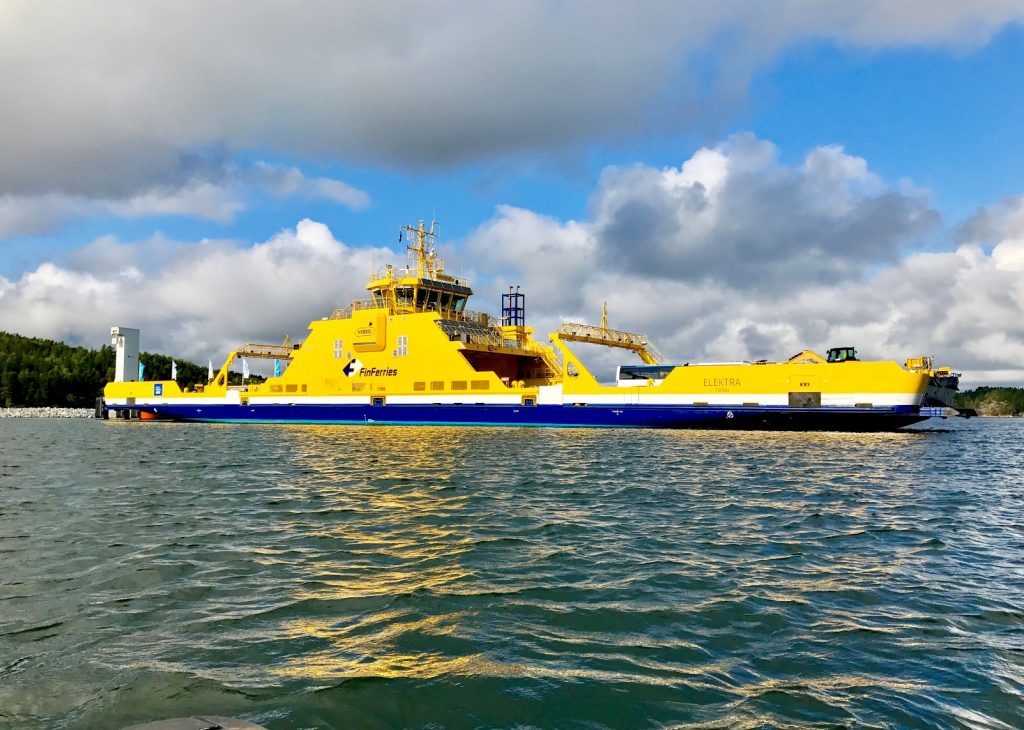
    Original press release can be found here.

  • PBES Batteries Power 2018 Electric and Hybrid Ship of The Year

    PBES Batteries Power 2018 Electric and Hybrid Ship of The Year

    Winner: Elektra diesel-electric roll-on roll-off passenger/car ferry by FinFerries

    PBES is proud to congratulate FinFerries on their win at Electric and Hybrid Marine World Expo for Propulsion System of the Year. Elektra, Finland’s first purpose built battery electric ferry, operates on a 1MWh battery system supplied by PBES. Launched in June of 2017, the vessel celebrates 1 year of service this month.

    “We feel very proud to have had a hand in Elektra’s win,” said Grant Brown, Vice President Marketing at PBES. “Many of the unique characteristics of her performance are directly a result of the PBES technology onboard. CellCoolTM technology allows the battery to be recharged in 5 minutes and at end of life it is easily refurbished and upgraded using the PBES CellSwapTM system.

    Elektra has an overall length of 98m, beam of 15m and draft of 3.55m, with five lanes to accommodate up to 90 cars. She travels her 1.6 km route across the Finnish Archipelago year round. Due to heavy ice conditions in the winter months, she carries auxiliary power generation equipment to augment the battery when needed.

    The PBES energy storage system has been engineered to the highest standards of performance and safety and is designed to seamlessly integrate with the electrical infrastructure on the vessel.


  • The world’s first 100 percent battery-electrically powered ferry connection

    The world’s first 100 percent battery-electrically powered ferry connection

    Excerpt translated from original Norwegian article, written by Tore Stenvold. Published in TU on June 4, 2018.  Link to original article here.

    Captain Kjetil Setter and Chief Commander Sindre Willumsen sits on the bridge on board in MF Eidsfjord. Sounds and vibrations you normally hear on a ferry are completely absent.

    Together with MF Gloppefjord, the ferry constitutes the world’s first 100 percent battery-electrically powered ferry connection. “These are fantastic functional ferries,” says Captain Sætre.

    Machine chief Ronny Kandal does not have much oil in either hair or hands. “There is actually more to do on board here than on a diesel ferry, but there are a few other tasks. And then it’s quieter and cleaner, “he said pleased. He does not long for noise and diesel, though diesel is also on Eidsfjord and Gloppefjord. Both have Scania engines that run on biodiesel as backup

    On the bridge to MF Gloppefjord, Captain Ole Kristian Hauge and Øystein Vereide, as usual captain, are also present, but today the deputy chieftain. They are delighted with the battery power. Fjord 1 was awarded the contract for operation of the two ferry connections from 1 January 2018.

    According to the contract with the Norwegian Public Roads Administration, Fjord 1 chose to build one electric and a low-emission ferry, but went in to build both ferries with high battery capacity for several hours of operation without charging.

    Bio-backup

    Fjord 1 ordered two steel ferries from Tersan in Turkey in April 2016. They are designed by Multi Maritime and can accommodate 120 passenger cars, 12 lorries and 349 people.

    Each of them is equipped with two battery packs of 540 kWh from Canadian-Norwegian PBES. In addition, the ferges have backup generators from Nogva with Scania engines, built for biodiesel.

    Hard load

    6-7-minute charge with up to 1500 kW charge power on Anda. Transfers take 11 minutes.

    The charge power is switched off as battery capacity is reached. The Siemens power management system and PBES battery management ensure that batteries do not charge too fast and damage the batteries.


    MF Gloppefjord / MF Eidsfjord

    • Design: Multi Maritime MM102 FE EL
    • Shipyard: Tersan, Turkey
    • Surrender: December 2017.
    • In traffic on Anda-Lote: February / March 2018
    • Capacity: 120 passenger car equivalents (PBE) / 349 persons
    • Speed: 8 knots (max 15 knots) ‘
    • Transition time: 11 minutes
    • Length: 106, 04 meters
    • Width: 17.2 meters
    • Draft: 3.8 meters
    • Batteries: PBES 2 x 540 kWh
    • Generator set: Nogva 2 x Scania DI16 / Stamford 510 ekW 1500 RPM
  • PBES’ First Norwegian Batteries Celebrate 1 Year Operational Milestone

    PBES’ First Norwegian Batteries Celebrate 1 Year Operational Milestone

    MF Melshorn

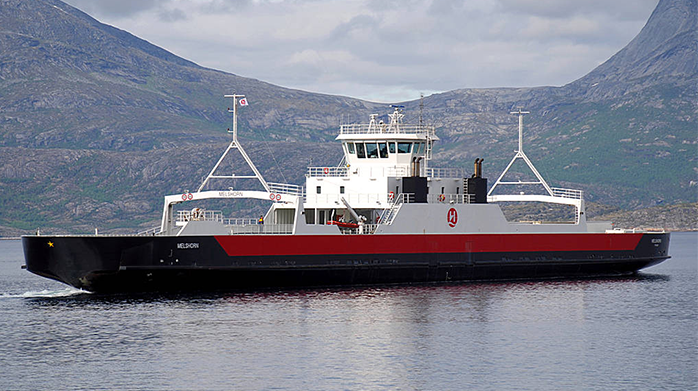
    PBES is proud to acknowledge the first year of operation of the hybrid ferries Melshorn and Vardehorn. The two sister ships were built in 1999. In late autumn 2016 they were rebuilt with hybrid propulsion using PBES energy storage at Havyard yard (Sogn og Fjordane). The two vessels re-entered service in January 2017.

    Melshorn and Vardehorn provide an important role in Norway’s transition to clean transportation,” said Grant Brown, Vice President Marketing at PBES. “They prove that commercial transportation need not be dirty and inefficient. Energy storage is an important part of this transition and PBES is proud to be providing the best quality, Norwegian built energy storage in the industry.”

    MF Valderhorn

    The low-emissions ferries are part of the ongoing push for zero to low emission public transportation in Norway. Each 102m vessel can carry 120 automobiles and 350 passengers. The Melshorn operates onthe 25-minute crossing on E6, Bogenes to Skarberget and Vardehorn runs the 45-minute crossing R827, Drag to Kjøpsvik. Each vessel contains 520kWh of PBES Power 65 batteries providing 1000V to the DC bus.

    In 2017 PBES installed more than 15MWh of energy storage to marine markets around the world, making it the leader in delivered product in the industry. The PBES energy storage system has been engineered to the highest standards of performance and safety and is designed to seamlessly integrate with electrical infrastructure on any vessel.


  • PBES Energy Storage Power Norway’s Newest Battery Electric Ferries

    PBES is proud to announce the successful installation of two 1MWh battery systems aboard the new electric ferries that service the E39 highway route on the 2km crossing between the Anda and Lote docks. The M/F Gloppefjord and Eidsfjord are Norway’s latest battery-operated ferries.

    “Anda-Lote is a vital link for Western Norway,” said Grant Brown, Vice President Marketing at PBES. “We are extremely happy to have been chosen to supply powerful and reliable PBES batteries for these innovative vessels. PBES remains committed to providing the best quality, Norwegian built energy storage for the ferry industry.”

    The zero-emissions ferries are part of the ongoing push for zero and low emission public transportation in Norway. Each 106m vessel can carry 120 automobiles and 349 passengers on the 8-minute crossing.

    In 2017 PBES installed more than 15MWh of energy storage to marine markets around the world, making it the leader in delivered product in the industry. The PBES energy storage system has been engineered to the highest standards of performance and safety and is designed to seamlessly integrate with the electrical infrastructure on the vessel.